Fast Squirrel Removal for Attics and Outdoor Areas
Why Professional Wildlife Control Companies Are Essential for a Safer Home Habitat
Wildlife encroachments pose substantial risks to residential safety. Many property owners downplay the potential hazards linked to wildlife in their homes. Professional wildlife removal providers offer crucial knowledge in managing these risks. They not only tackle existing infestations but also establish measures to prevent future occurrences. Understanding the medical implications and the techniques used by these professionals is critical for maintaining a secure home environment. What particular dangers do these animals bring, and how can experts successfully mitigate them?
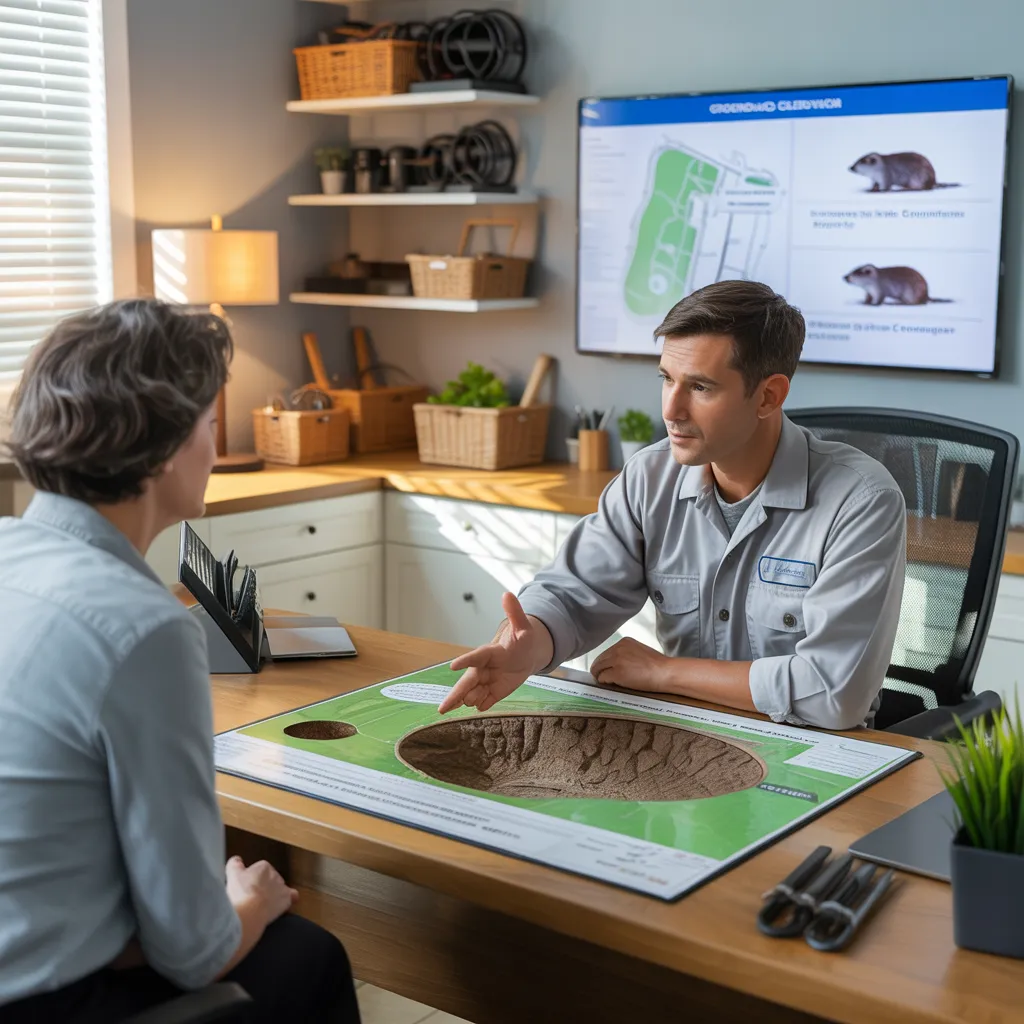
Why You Ought to Be Anxious About Wildlife Intrusions
Animal breaches generate significant hazards to homes and properties. Animals including raccoons, squirrels, and bats can enter structures, resulting in likely damage and health worries. These infiltrations frequently cause structural issues, encompassing chewed wiring, insulation harm, and compromised roofing. Furthermore, wildlife can introduce insects such as fleas and ticks, which can affect both human and pet wellness.
In addition, several wild species spread diseases that pose wellness hazards to residents. Rabies, hantavirus, and leptospirosis are just a select examples of the perils caused by these encroaching animals. Their presence can create an environment of fear and anxiety for house owners, disrupting daily life and sense of security.
Neglecting the markers of wildlife intrusion can bring about accumulating challenges, making immediate detection and action vital. Realizing the effects of animal invasions is mandatory for maintaining a safe and secure home setting.
Why Professional Wildlife Removal Is Critical for Safety
When property owners experience wildlife intrusions, getting professional removal services proves vital for maintaining safety. Wild animals, such as raccoons, squirrels, or bats, can bring various risks, including property damage and potential danger to occupants. These creatures may chew through electrical wiring, weaken structural integrity, or create unsanitary conditions.
Experienced wildlife removal professionals possess the essential training and tools to tackle these situations safely and effectively. They grasp animal behavior and can apply humane removal approaches, reducing anxiety for both the animals and the homeowners. In addition, professionals can pinpoint entry points and offer recommendations for future prevention, reducing the likelihood of recurring problems.
What Health Problems Develop With Wildlife in Your Home?
Discovering animals within your home introduces numerous health risks that homeowners may not immediately notice. Animals such as raccoons, rodents, and bats can carry multiple diseases that create major threats to people's health. For instance, raccoons are documented carriers of rabies, which can be life-threatening without prompt medical intervention. Rodents, including mice and rats, can communicate hantavirus and salmonella through their droppings and urine, potentially leading in acute respiratory issues and intestinal illnesses.
In addition, animals can bring go to article parasites like fleas, ticks, and mites into the home, which can affect both humans and pets. The presence of these pests may lead to allergic reactions and skin irritations. Moreover, the structural damage caused by wildlife can create hidden hazards, such as mold growth from water buildup. As a result, understanding these health risks underscores the importance of resolving wildlife issues promptly and effectively.
The Way Animal Extraction Specialists Manage Medical Risks
To skillfully mitigate health risks associated with wildlife in homes, experts utilize a organized approach that emphasizes safety and thoroughness. Initially, wildlife removal specialists perform a comprehensive inspection to pinpoint entry points and assess the extent of the infestation. This assessment allows them to recognize potential health hazards, such as the spread of zoonotic diseases.
Once the assessment is complete, professionals apply humane trapping methods to securely remove the animals, protecting minimal stress to both the creatures and residents. They also wear protective gear to evade direct contact with wildlife and any contaminants that may be present.
Following elimination, experts meticulously clean and decontaminate the impacted zones, managing feces, urine, and nest components, which may harbor pathogens. This sanitation procedure is vital to establishing a healthy space. By implementing these guidelines, wildlife removal experts significantly reduce potential health dangers, delivering peace of mind to homeowners.

How Preventative Approaches Can Guard Your Home From Wildlife
Preventative actions play an important role in defending homes from unwanted animal entry, as forward-thinking measures can notably minimize the likelihood of unwanted encounters. Homeowners can begin by sealing gaps and cracks in building structure, which serve as entry points for various animals. Installing reinforced mesh on exhaust ports and smoke stacks further enhances protection.
Maintaining a clean yard is important; removing food attractions, including pet food or fallen fruits, can deter wildlife from drawing near. Regularly cutting back trees and shrubs can remove potential nesting sites and block access to roofs. Additionally, securing trash bins with tight-fitting lids lessens attractants.
Installing motion-activated lights and sound devices can also discourage nocturnal wildlife from approaching homes. By adopting these preventive measures, homeowners can greatly lower the risk of wildlife incursions, guaranteeing a more secure and pleasant living environment.
How to Find the Ideal Wildlife Removal Service
Picking the ideal wildlife removal service requires careful inspection of licensing and certification, as these papers ensure compliance with local regulations. Additionally, checking the experience and expertise of the service provider can greatly affect the effectiveness of the removal process. A well-informed decision can result in a more efficient resolution of wildlife issues.
Licensing And Endorsement Requirements
Selecting a animal control service requires thorough review of license and certification standards to ensure safety and legal compliance. Licensed professionals adhere to state and local regulations, guaranteeing adherence with wildlife protection laws. Certification from accredited bodies indicates that the service provider has met industry standards in ethical trapping and extraction methods. It is crucial to verify the credentials of any animal removal company, as this not only reflects their commitment to responsible conduct but also protects homeowners from potential legal issues. Additionally, certified services often invest in continuous education, keeping their methods current with modern strategies and rules. Consequently, confirming licensing and certification is a vital measure in choosing a reliable and responsible wildlife removal service.
Proficiency And Skill Tiers
An wealth of knowledge and skill can impact the effectiveness of a removal service. Organizations with extensive backgrounds in the industry possess the necessary capabilities to identify species accurately and grasp their behavioral patterns. This comprehension facilitates bespoke solutions that guarantee safe and humane removal. Additionally, experienced professionals are familiar with local codes and statutes, which aids in regulatory compliance and lessens potential legal concerns.
When selecting a wildlife removal service, it is advisable to examine client reviews and find out about the team's training and certifications. A reputable organization should also present ongoing education for its staff members, ensuring they stay current on best practices and techniques. Ultimately, selecting a service with proven experience can lead to a more protected home.
Frequently Raised Questions
What Cost Should You Anticipate for Wildlife Removal?
Wildlife removal costs typically range from $100 to $1,500, based on factors like the type of animal, the extent of the infestation, and the specific services needed. Prices differ significantly based on location and company.
What Forms of Wildlife Are Often Removed?
Commonly eliminated wildlife encompasses raccoons, squirrels, bats, and opossums. These animals often infiltrate homes, causing potential hazards. Professional services effectively manage their removal, guaranteeing protection and preventing further infestations in residential areas.
Do Pest Removal Approaches Handle Creatures Compassionately?
Wildlife elimination techniques can be ethical, emphasizing safe relocation rather than extermination. Professionals often utilize traps and exclusion techniques designed to reduce injury, guaranteeing that creatures receive ethical treatment while resolving conflicts between humans and wildlife successfully.
What is the timeframe of the extraction procedure?
The removal process typically takes between a few hours to several days, depending on the species involved, the severity of the problem, and the methods used. Each situation needs a tailored approach for successful outcomes.
Will Wildlife Return After Removal?
Yes, creatures can return after removal if proper preventive measures are not instituted. Sealing entry points and eliminating food sources are critical steps to guarantee that creatures do not return to the property in the future.